
What Is Demand-Pull Inflation and How It Works
Learn how consumer demand exceeds supply, pulling prices upward. Includes real examples and identification methods.
Read ArticleUnderstand how crude oil, palm oil, and other commodities drive inflation. We’ll explore supply chain effects, demand pressures, and practical ways to track price movements affecting the Malaysian economy.

When oil prices spike at the pump, when palm oil becomes scarce, when tin and rubber costs jump — these aren’t just numbers on financial screens. They’re forces that ripple through Malaysia’s entire economy, affecting everything from grocery bills to manufacturing costs.
Malaysia’s economy depends heavily on commodity exports. We’re a major producer of palm oil, crude oil, natural gas, and tin. When global demand for these products shifts, or when supply chains get disrupted, domestic prices move quickly. Understanding these patterns helps you see inflation coming before it hits your wallet.

Crude oil is Malaysia’s most significant commodity. When prices rise globally, everything connected to energy becomes more expensive. Transportation costs go up. Manufacturing becomes pricier. Power generation expenses increase.
Here’s what’s happening right now: Malaysia produces about 600,000 barrels per day, but we also import refined products. When Brent crude climbs above $80 per barrel, you’ll notice price increases within 3-4 weeks — at petrol stations first, then spreading to food and goods. A $10 per barrel increase typically pushes domestic fuel prices up by roughly 0.30 ringgit per liter.
But it’s not just about the price tag. Supply disruptions matter too. Port congestion in Singapore, refinery maintenance shutdowns, or geopolitical tensions in the Middle East can constrain oil flow, creating artificial scarcity even if prices haven’t officially risen yet.
Malaysia produces about 40% of the world’s palm oil. When prices rise, it affects food costs globally — but especially here at home. Palm oil isn’t just cooking oil. It’s in margarine, baked goods, chocolate, ice cream, and countless processed foods.
Currently, Malaysia produces around 19 million metric tons annually. Weather matters hugely. During El Niño periods, droughts reduce yields, pushing prices up 30-50% within months. The 2023 dry spell pushed prices from 3,000 ringgit per metric ton to over 5,000. That directly translated to higher food costs across the country.
Watch these signals: If you see palm oil futures jumping above 4,500 ringgit, expect grocery prices to climb within 6-8 weeks. Cooking oil specifically tends to spike first, followed by baked goods and processed foods.
Demand-pull inflation happens when buyer demand outpaces available supply. Think of it this way: If everyone suddenly wants to buy palm oil at once, but there’s only so much available, prices get pulled upward.
In Malaysia, this occurs when:
You can identify demand-pull pressure by watching export orders and manufacturing activity. When Malaysia’s palm oil export volumes spike 15-20% month-over-month while prices rise, that’s demand pulling prices up.

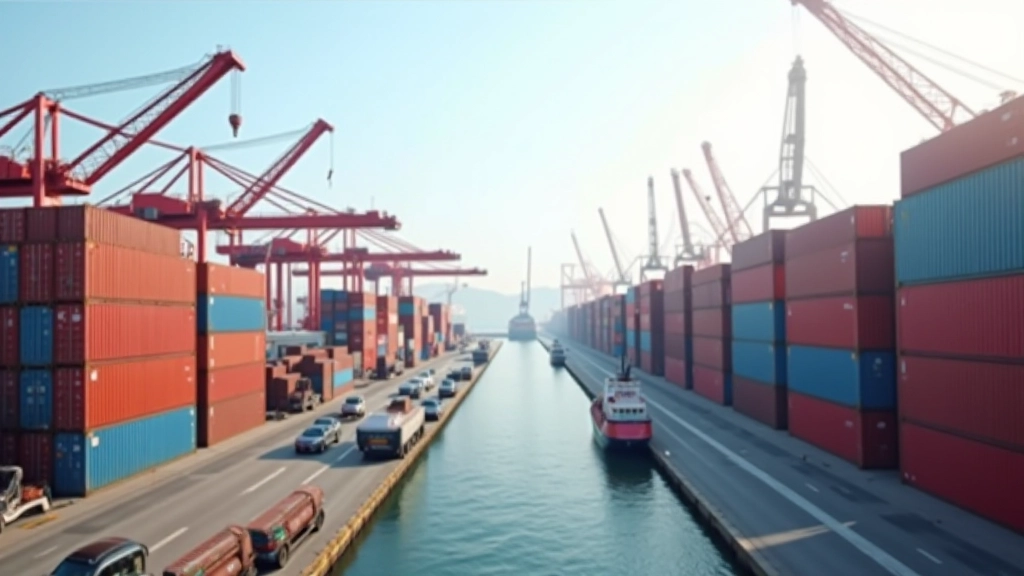
Even if commodities are being produced, getting them to market matters. Malaysia relies on shipping through the Strait of Malacca — one of the world’s most critical chokepoints. Any disruption there cascades quickly.
Common supply chain issues affecting Malaysian commodities include:
Container backlogs in Port Klang or Port of Tanjung Pelepas slow exports by 2-3 weeks, creating artificial scarcity
When freight rates spike, exporters raise commodity prices to offset transport costs — you see this 4-6 weeks later at retail
Monsoons disrupt harvests and transportation, reducing supply temporarily but raising prices significantly

You don’t need a Bloomberg terminal to understand commodity movements. Here’s what to watch:
Watch Brent crude prices on financial news sites. When it crosses above $85, watch your fuel pump closely. Price increases typically hit within 3 weeks.
Check Malaysian palm oil futures prices (MPOB publishes these). Prices above 4,200 ringgit per metric ton signal food inflation ahead.
Freight rates (measured by the Shanghai Containerized Freight Index) predict retail price increases 4-6 weeks later. Higher rates mean higher delivery costs.
Dry seasons in Southeast Asia reduce agricultural output. Monitor seasonal forecasts for the Malay Peninsula — they predict palm oil and rubber supply issues.
Commodity prices don’t exist in isolation. They’re connected to everything in the Malaysian economy — your fuel costs, grocery bills, manufacturing prices, and job stability. Understanding these connections helps you anticipate inflation rather than being surprised by it.
The key insight: Commodity prices move first, then ripple through the broader economy. When crude oil spikes, expect fuel price hikes within weeks. When palm oil jumps, watch for food inflation 6-8 weeks later. By tracking these signals — oil futures, palm oil prices, shipping costs, and weather patterns — you’ll develop a much clearer picture of where inflation is headed.
Malaysia’s economy won’t decouple from global commodity markets anytime soon. But by understanding how these forces work, you’re already ahead of the curve.
Explore related topics to deepen your understanding of inflation drivers and economic pressures.
Explore Related ArticlesThis article provides educational information about commodity prices and their economic effects in Malaysia. It’s designed to help you understand inflation concepts and tracking methods. It’s not financial advice, investment guidance, or professional analysis. Commodity prices fluctuate based on numerous factors including global market conditions, geopolitical events, and weather. Always consult with qualified financial advisors before making investment decisions. Historical price patterns don’t guarantee future results.